Introduction
When planning a plumbing or water distribution system, many people focus only on the initial cost of pipes. However, choosing the wrong piping material can lead to frequent repairs, water leakage, corrosion, maintenance expenses, and even complete system replacement. Investing in the right piping solution from the beginning can save significant time and money in the long run.
This is where UPVC (Unplasticized Polyvinyl Chloride) and CPVC (Chlorinated Polyvinyl Chloride) pipes have become the preferred choice for residential, commercial, and industrial applications. Their durability, reliability, and cost-effectiveness make them superior alternatives to traditional metal and conventional piping systems.
The Hidden Cost of Choosing the Wrong Pipe
Many traditional piping materials are prone to rust, corrosion, scaling, and leakage over time. These issues not only increase maintenance costs but can also affect water quality and system efficiency. Frequent repairs, water wastage, and downtime often result in higher operational expenses than the initial savings achieved by selecting a cheaper pipe.
A poor piping choice can lead to:
- Increased maintenance costs
- Water leakage and wastage
- Corrosion and rust formation
- Reduced water flow due to scaling
- Shorter service life
- Expensive replacement projects
Why UPVC Pipes Are a Smart Investment
UPVC pipes are widely used for cold water supply, drainage systems, irrigation, and industrial applications. Their non-corrosive nature ensures long-term performance without the risk of rust or chemical degradation.
Key Benefits of UPVC Pipes
- Excellent corrosion resistance
- Lightweight and easy installation
- Low maintenance requirements
- High durability and long service life
- Smooth internal surface for better flow efficiency
- Cost-effective compared to metal pipes
Because UPVC pipes do not react with water or environmental conditions, they maintain their performance for years without significant deterioration.
Why CPVC Pipes Stand Out
CPVC pipes are specifically designed to handle both hot and cold water applications. Their enhanced temperature resistance makes them ideal for residential plumbing, commercial buildings, hospitals, hotels, and industrial facilities.
Advantages of CPVC Pipes
- High-temperature resistance
- Superior chemical resistance
- Long-lasting performance
- Safe and hygienic for potable water systems
- Reduced risk of leakage
- Strong and durable construction
Unlike many conventional piping materials, CPVC pipes maintain their structural integrity even under demanding operating conditions.
Long-Term Savings with UPVC & CPVC Pipes
Although some alternatives may appear less expensive initially, UPVC and CPVC pipes offer greater value over their lifespan. Their resistance to corrosion, low maintenance requirements, and long service life significantly reduce ownership costs.
Businesses and homeowners benefit from:
- Lower repair expenses
- Reduced maintenance costs
- Improved system reliability
- Enhanced water flow performance
- Longer service life and return on investment
Applications of UPVC & CPVC Pipes
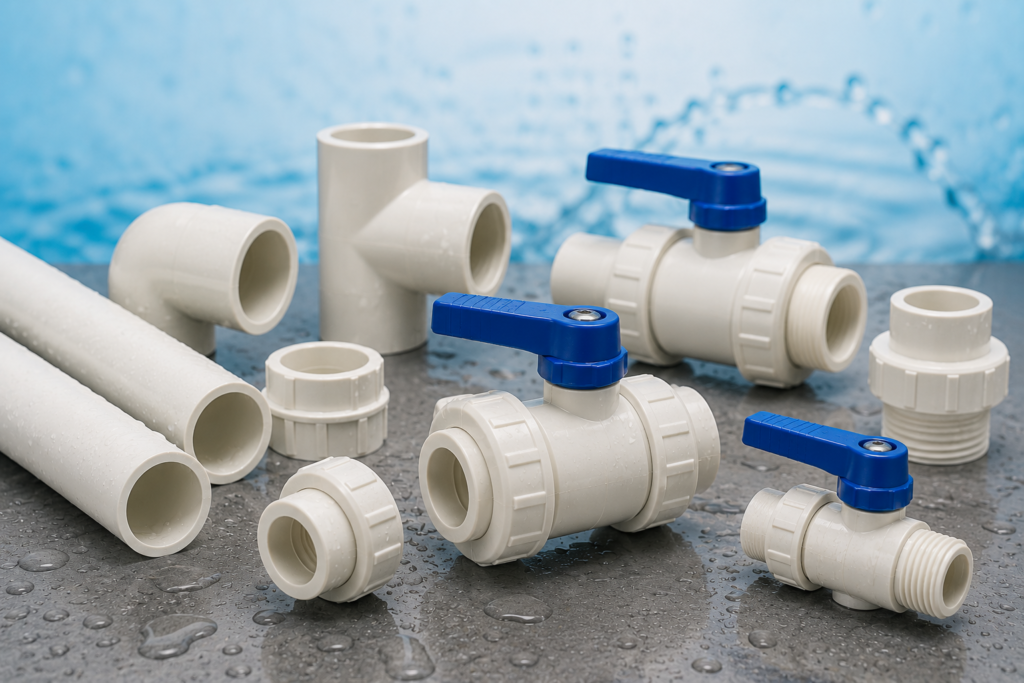
UPVC and CPVC piping systems are commonly used in:
- Residential plumbing systems
- Commercial buildings
- Industrial fluid transportation
- Agricultural irrigation systems
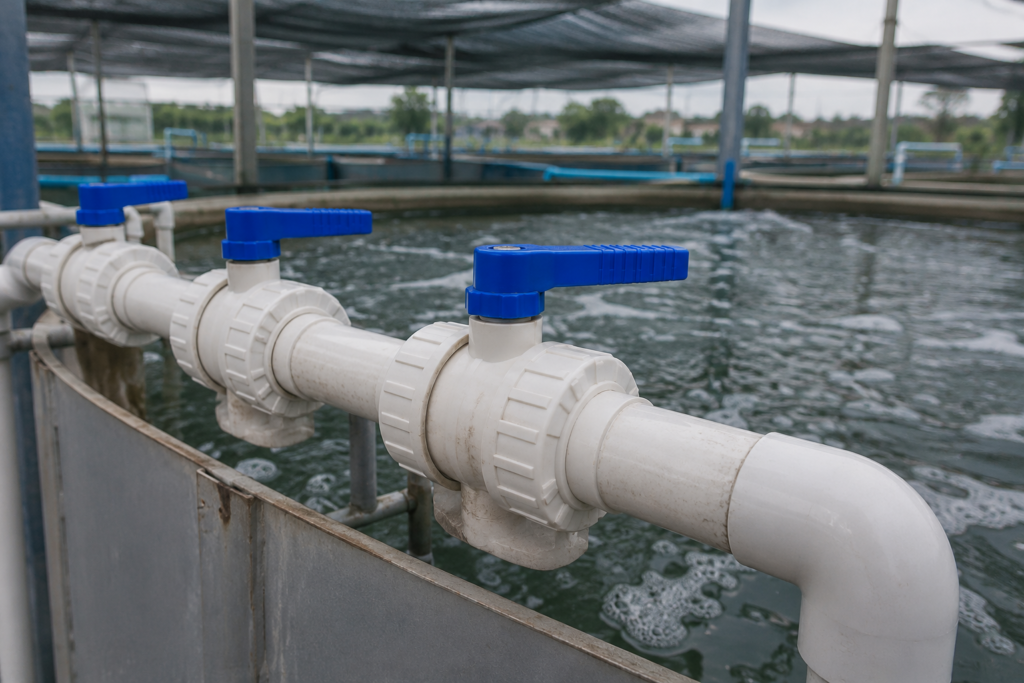
- Water treatment plants
- Chemical processing facilities
- Hot and cold water distribution networks
Their versatility makes them suitable for a wide range of industries and infrastructure projects.
Conclusion
Choosing the wrong pipe may save money initially, but it often results in costly repairs, maintenance issues, and premature replacements. UPVC and CPVC pipes provide a reliable, durable, and cost-effective solution that delivers long-term performance and peace of mind.
At Momai Enterprises, we are committed to providing high-quality UPVC and CPVC pipes and fittings designed to meet modern plumbing and industrial requirements. By choosing the right piping solution today, you can ensure efficiency, durability, and long-term savings for years to come.